
By: Kelly Crocker, Grace Ko, Chris Underwood, and Erin Hensien
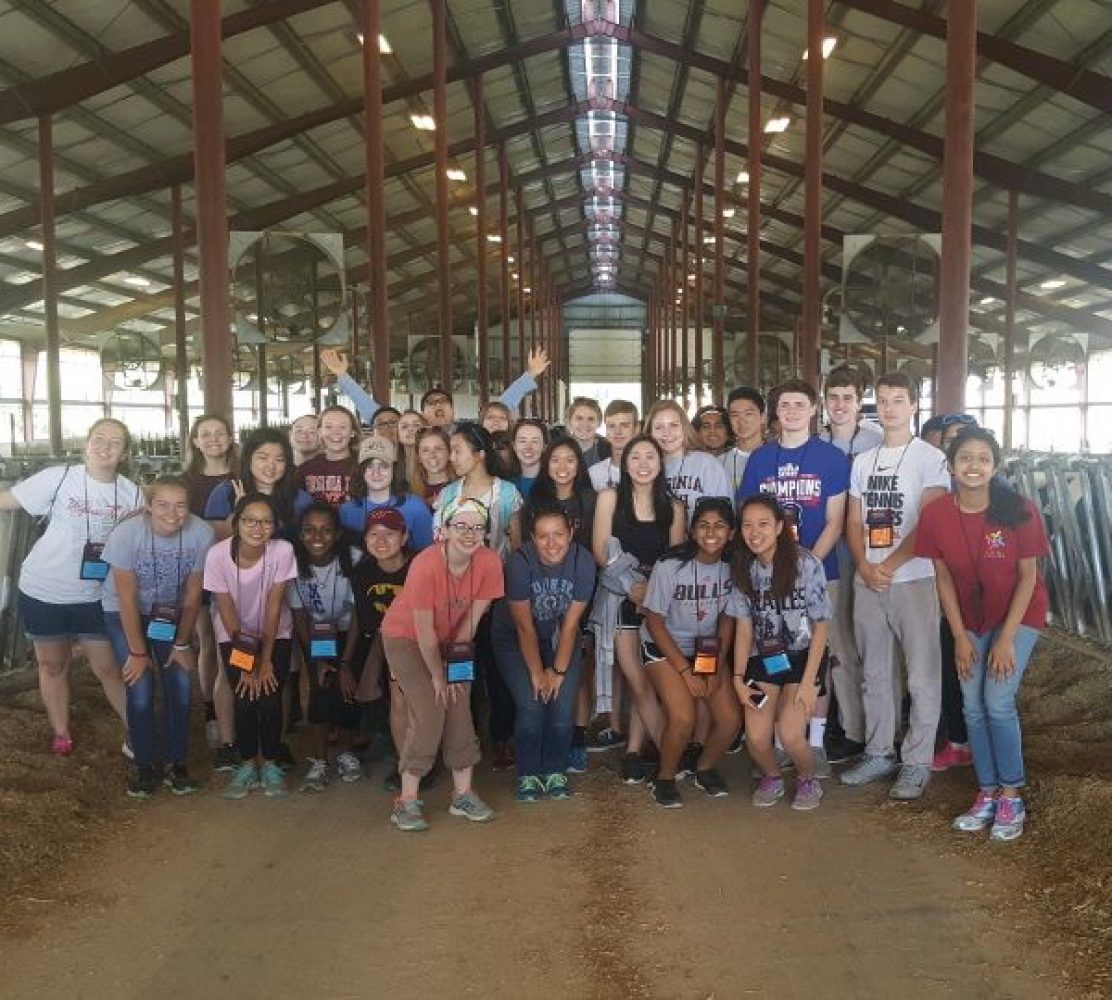
This Tuesday the engineering majors got the chance to visit the Thomas M. Brooks Forest Product Center. They got to take a closer look into the world of engineering and think about possible career paths by talking with an expert in the field about his research. This research centered around the process of the gasification of biomass and how it can affect the environment.
Hyperlink: https://cnre.vt.edu/college/facilities/index.html
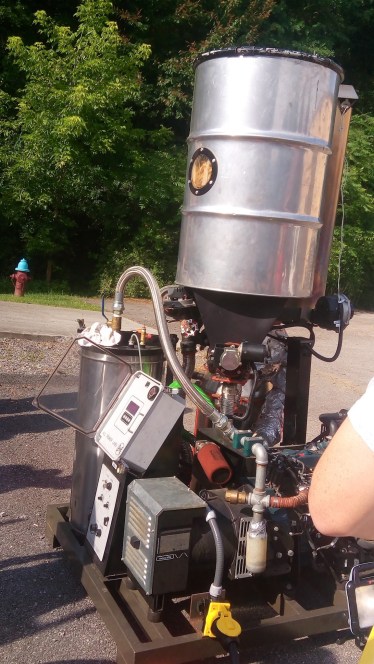
The process of the gasification of biomass has four steps. The wood chips are dried, then heated in an environment lacking oxygen so that they don’t burn but are reduced to charcoal and tar. This charcoal and tar is then burned in a combustion chamber and the gases produced are collected. This “Syngas” is the desired product because it can be used to power motors, generators, and vehicles.
The gasification of biomass can have many positive environmental effects. This process sustains itself and can support other products. This energy source reduces air pollution by reducing the severity of the presence of greenhouse gases and closing the cycle of carbon dioxide. The cycle of carbon dioxide is closed since the process does not produce carbon dioxide, and only releases the carbon dioxide taken in by the tree during photosynthesis. The implementation of the gasification of biomass has significant potential success in rural areas. Since most communities in rural areas already use the burning of wood to produce energy, this process can collect the natural byproduct and repurpose it in a useful way.
Overall, we had a fun and engaging experience learning about the gasification process. Most of us had never heard about this process before so we gained new knowledge about the different areas of biosystems engineering. This visit to the Forest Product Center helped to continue our look into the field of agricultural engineering.
![IMG_2328[1]](https://nataleebaker.files.wordpress.com/2017/07/img_23281.jpg?w=151&h=202) assortment of temperature-measuring tools including infrared, probe, and color-changing thermometers. Once the grills were up and running, Dr. Eifert passed around a variety of burger to the class to analyze how differing meats and states affected cooking times. The meats provided were thawed beef, frozen beef, thawed turkey, and frozen turkey.
assortment of temperature-measuring tools including infrared, probe, and color-changing thermometers. Once the grills were up and running, Dr. Eifert passed around a variety of burger to the class to analyze how differing meats and states affected cooking times. The meats provided were thawed beef, frozen beef, thawed turkey, and frozen turkey. for four people to stare at one burger for awhile so make the most of it!” The conventional charcoal grills, even smaller in size, took a bit longer to cook to the same temperature but worked to the same functions.
 Cows
Cows
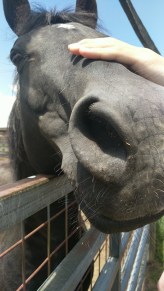 Horses
 Governor's School for Agriculture